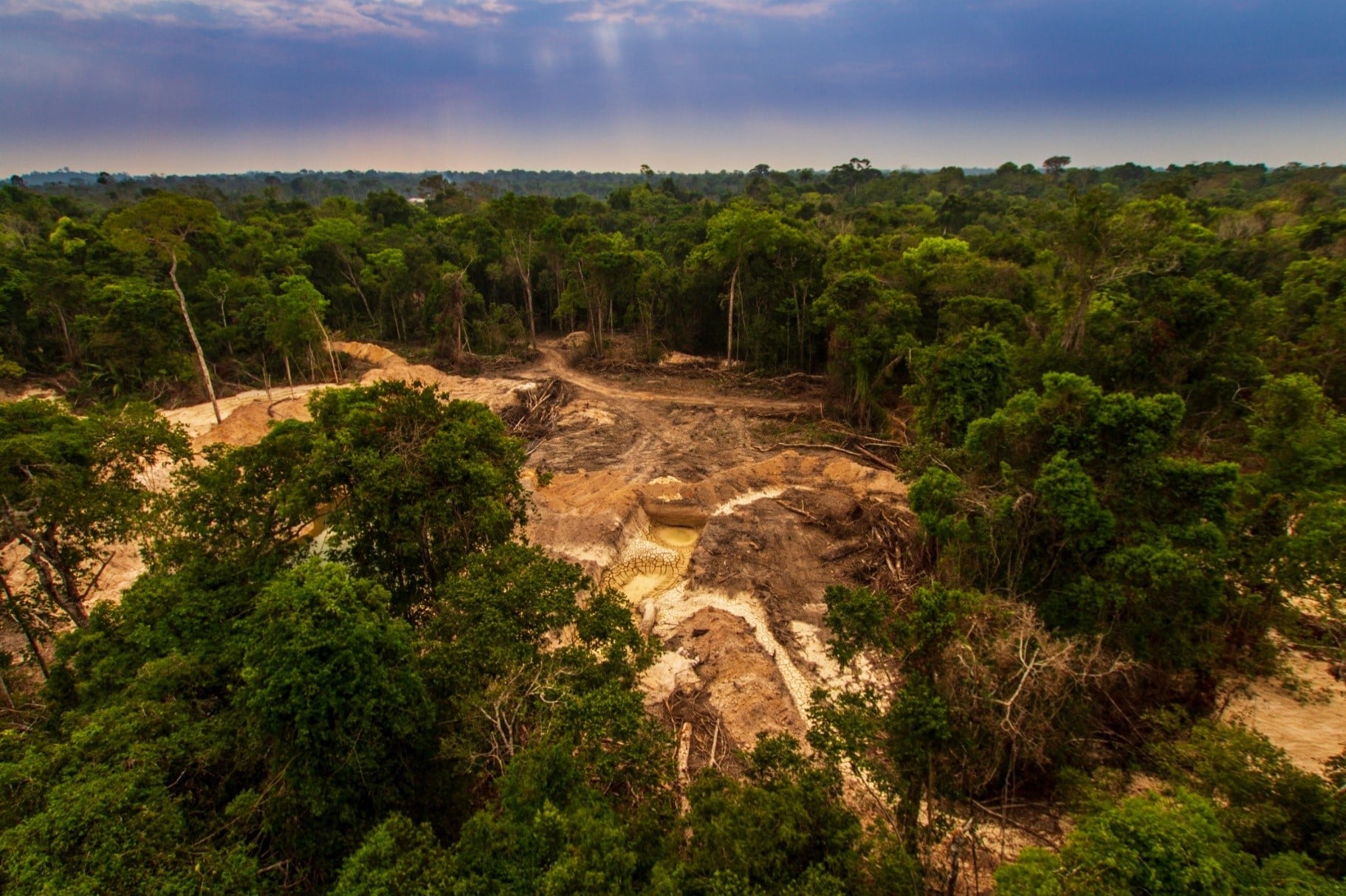
Reforestation et restauration écologique de zones impactées par l’exploitation d’or
En Guyane française, Kering revégétalise à 100% les sites de mines d’or alluvionnaire. Au-delà de la règlementation française qui n’impose que…
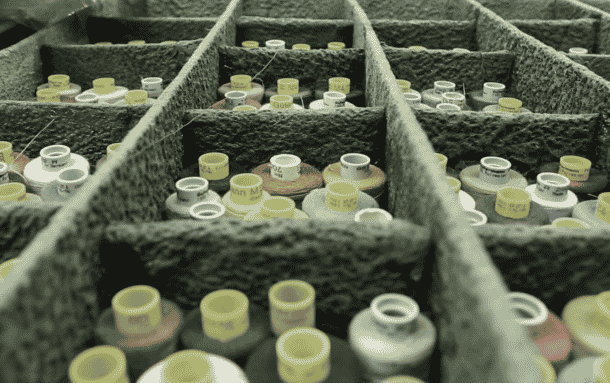
The Clean by Design program (of which Kering is a partner) consists of reducing the environmental footprint of textile manufacturers by carrying out energy-water-chemical audits with suppliers, who undertake to implement measures to improvement identified by these audits.
Fashion, broadly defined, is responsible for 20% of water pollution and 10% of global carbon emissions. To respond to this observation, the American NGO Natural Resources Defense Council (NRDC), designed the “Clean by Design” project proposing a clear and simple methodology to improve the efficiency of textile factories and save energy, water and chemical inputs.
The Kering Group joined the project in 2015. 25 of its Italian suppliers (spinning, dyeing, etc.) therefore benefit from an energy and water efficiency audit, which cost is assumed by Kering, then a custom action is defined for each manufacture.
At first reluctant to open their factories to outside auditors, suppliers quickly saw the interest in joining the program.
Clean by Design has a very persuasive argument: a positive return on investment is recorded on average in two and a half years for measures that are otherwise easy to put in place. Optimizing lighting or ventilation, ensuring more efficient maintenance or even more finely-tuned management of electricity consumption are among the 150 improvement actions identified under the program.
These actions mainly relate to:
– Improving water / energy management and monitoring
– Optimization of steam, water and compressed air distribution systems
– Work on lighting (LED, etc.), air conditioning, electric motors
– Thermal energy recovery
– Green energy production on site
The actions were followed in detail by Kering and the local technical partner to verify the implementation and the actual gains against the design gains.
Participation in the Clean by Design program is offered to strategic suppliers of the Maisons de Kering, and influences their “seller rating”.
on which the project has a significant impact
Scope 3 – Improvement of the manufacturing processes of Kering suppliers
Reduction in annual CO2 emissions by 19% on average per production site, following participation in the Clean by Design program.
2,2 M €
2015
Italy and China
The Clean By Design project contributes to the following SDGs:
Very important reproducibility potential, and moreover targeted by the program itself. The desire of Kering and its partners is to set up Clean by Design with other fashion brands in several regions of the world.
This is what Kering has been working on in 2020, as in 2021 the Clean by Design program is extended to other fashion brands in Italy, this time under the aegis of the Apparel Impact Institute (AII). https://apparelimpact.org/vogue-announces-aiis-new-project-with-luxury-italian-brands/
The project has partnered with Legambiante, one of the most recognized Italian environmental associations, to ensure the smooth running of the project. A technical partner will support the project to perform audits and monitor actions.
A multi-brand collaboration is particularly relevant because suppliers very often work for several brands, so a collaborative approach is more efficient.
sustainability.standards@kering.com
En Guyane française, Kering revégétalise à 100% les sites de mines d’or alluvionnaire. Au-delà de la règlementation française qui n’impose que…
Le Groupe Kering s’est associé au projet Clean By Design du Natural Resources Defense Council pour encourager ses fournisseurs…
In French Guiana, Kering is 100% revegetating alluvial gold mine sites. Through this project, the Kering Group wishes to go beyond French regulations which impose only 30% reforestation..